
What we’re reading
On the Greenwood Place Bedside Table
Rooted by Sarah Langford
Freya and her dad both loved this book and it’s making its way around the Greenwood Place office at the moment. Langford documents her return to her family’s Suffolk farm and the farmers who teach her regenerative farming. It’s an accurate portrait of modern British farming: a lot of stress and occasional moments of pure joy... Rooted asks what it means to care for a place over generations, and what communities owe to the landscapes that sustain them.

A Christmas Carol
If you can’t make it to London’s Old Vic theatre this year for Matthew Warchus’ smash-hit production (which you absolutely should if you can!), try the Muppets’ film retelling as a stand-in. Dickens wrote A Christmas Carol in 1843 as a sharp societal intervention; the heart of the story is not Scrooge’s transformation but the community that surrounds him - people who, despite scarcity, continue to show warmth, solidarity and humour. Coming back to community is, in the end, the true miracle of the story.

Babette’s feast
Gabriel Axel’s 1987 film is a luminous meditation on hospitality. Babette’s feast, her work of art, softens an entire Danish community and reveals how generosity can lead to reconciliation and love. A beautiful watch for dark evenings.
Stone soup
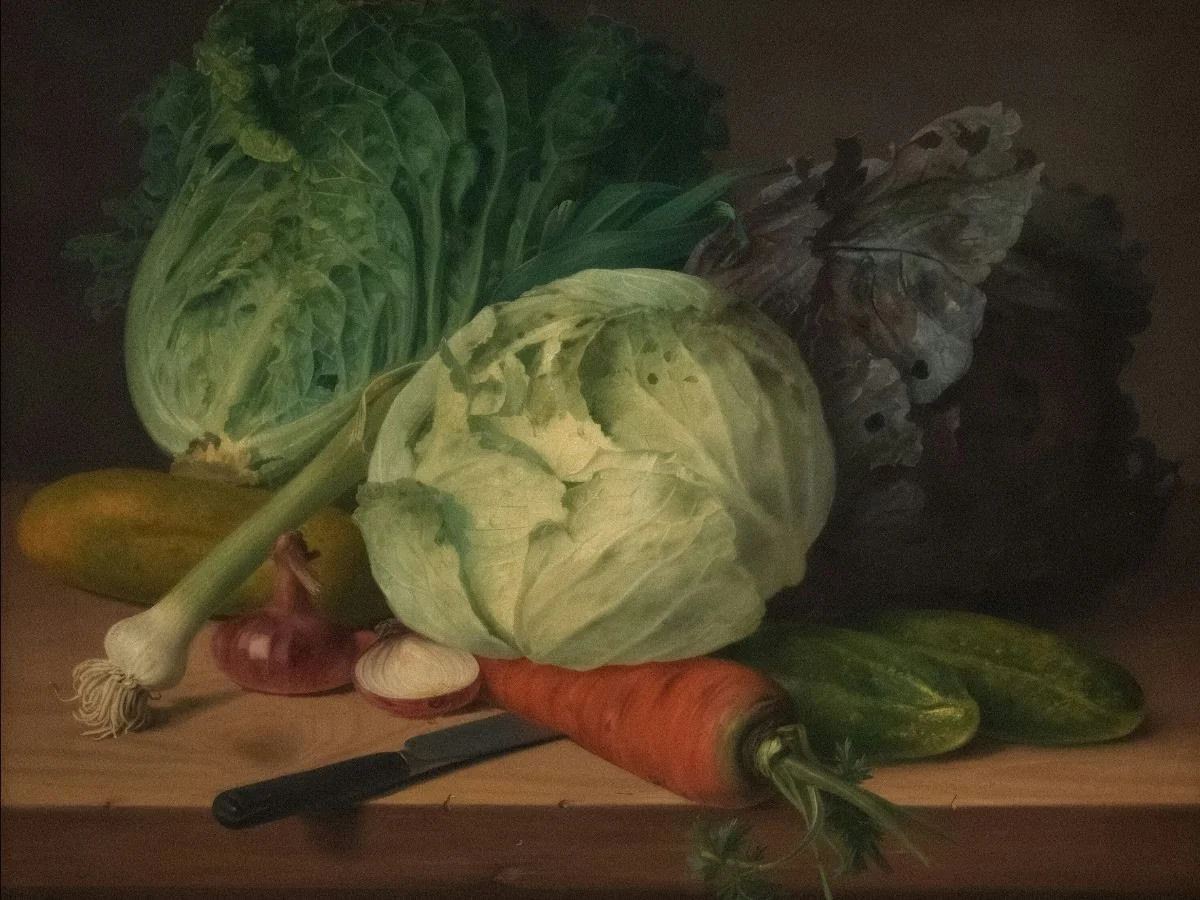
The old folk tale begins with a pot of water and a single stone, and ends with a communal feast. As neighbours add what they can - a carrot, some barley or a sprig of thyme - something larger than any one person emerges. A simple reminder that community often starts with one small invitation. There are many versions of the story but Paula Rego’s illustrated version is exquisite.
A gut-wrenching problem we can solve
Bill Gates recalls a 1997 column by Nick Kristof which prompted him to learn about diarrhoeal disease and to back work that has helped cut child deaths by more than 70 percent. Rotavirus vaccines, clean water and simple treatments like oral rehydration salts have transformed what was once a leading killer. Progress remains fragile, but it’s one of global health’s clearest success stories.

Shared reading
Shared Reading brings people together to read poems and stories aloud, pausing often to sit with a line or a memory. There’s no preparation and no pressure - just voices and close attention as people connect, and share experiences using stories and poems. We loved our recent visit to spend time with the team at The Reader in Liverpool at their Calderstones’ home.
The art of community
Drawing on centuries of wisdom, the Art of Community by Charles H. Vogl lays out seven time-tested principles for growing enduring, effective and connected communities. Vogl argues that community isn’t formed by accident but by the steady cultivation of shared stories, rituals and values. “A group may share interests, but a community has connections so that members care for the welfare of one another.”

the paradox of growing both community and wealth
In our most recent Pathways roundtable, Sasha Fisher from Spark Microgrants and Leah Bwari Okero from Village Enterprise discussed their work in helping poor, rural communities to grow stronger and richer. There’s a paradox that both wrestle with and that this interview with Rebecca Adamson brings to life. Adamson contrasts the dense networks of connection found in subsistence economies - where rights to land, water and livelihood come from belonging - with the weaker ties of cash economies.
art and health
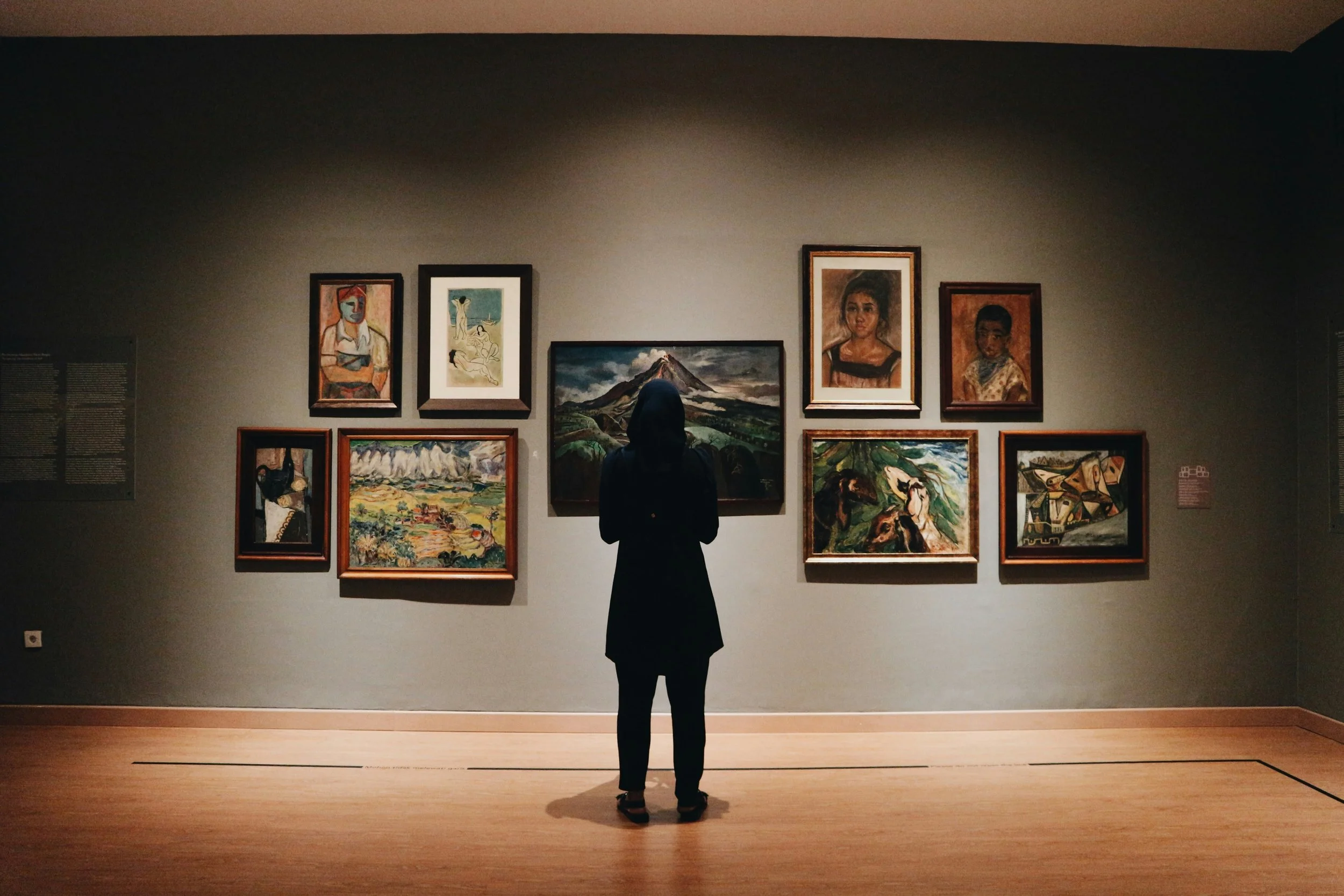
Research suggests that looking at art may strengthen our health in ways we rarely measure. Galleries and cultural spaces bring people out of isolation and back into shared experience. Thank you to Elizabeth Brooks for sharing this article, which is particularly welcome as the days shorten in the UK.
from our community
LandWorks: A Community Cookbook
LandWorks - the Devon charity supporting people leaving prison - has released a new cookbook filled with recipes from staff, participants and neighbours. A reminder that cooking together remains one of the oldest ways we make each other feel at home. Find the book here.
Heal’s “Spark” Survey
Heal asked people which creatures first sparked their love of nature. The answers - hedgehogs, tadpoles, woodlice - are small and vivid. Environmental care often begins with a single childhood encounter..Read the results here.
Ways to Give This Christmas
Helen Keller International - a partner in this year’s Pathways programme - has been highlighted in Nick Kristof’s annual charity list in the New York Times, a testament to that organisation's patient, life-changing work.
And in the UK, the Big Give Christmas Challenge is now live, with several of Greenwood Place’s partners taking part. It’s a simple way to double the impact of your winter giving. Please let us know if you’d like to donate and are not sure how to participate. You have until 9th December to make the most of the gift matching!
AND FINALLY...
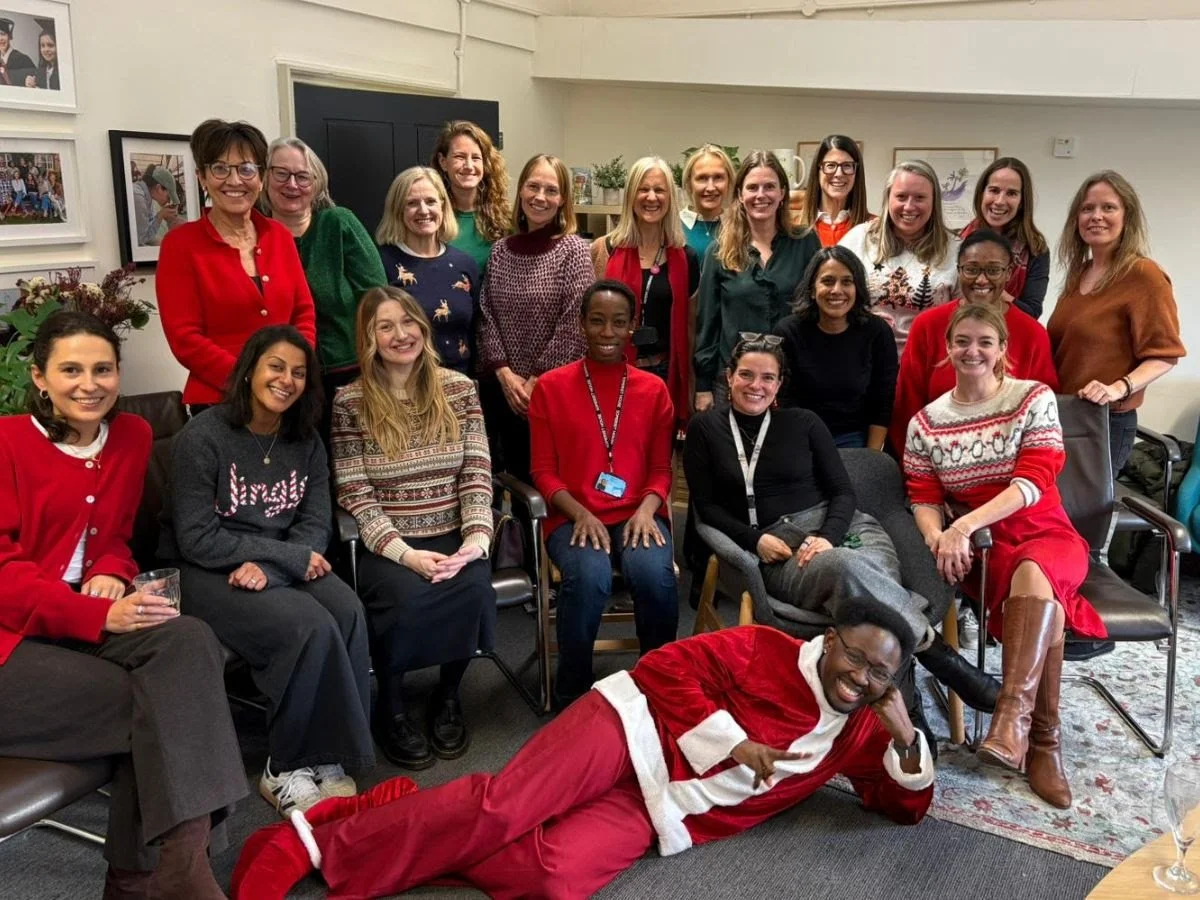
At this time of year, we’re reminded that community is often made in small ways: a shared meal, a walk with friends, a reading, an act of hospitality. In that spirit, Greenwood Place’s office will be closed for a couple of weeks over Christmas and New Year, but there is plenty of time before then to drop round for tea and mince pies - and maybe some ice-skating at Somerset House. Let us know if you are passing.
HOW CAN WE HELP YOU?
Greenwood Place provides philanthropy support, advice and execution for a small group of strategic philanthropists. We take an entrepreneurial approach to tackling tough social and environmental problems. We work closely with our clients to find the places where they can make the most difference, we support their learning and we partner with them to achieve real, lasting change.
The Greenwood is the place in Shakespeare's plays where characters go to grow, change and learn.